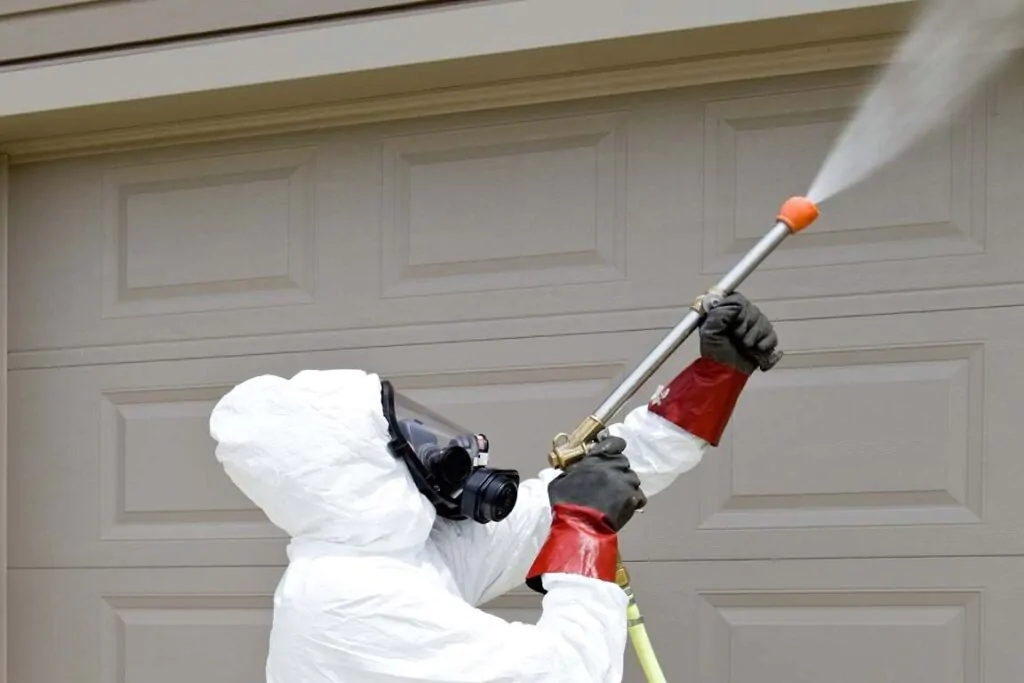
For homes that regularly develop spider webs, redbacks around outdoor areas or repeated spider activity as the weather warms, yearly spider pest control can be a practical part of keeping the problem under control.
However, there is no universal rule that every Melbourne home needs spider treatment exactly once every 12 months. The right timing depends on the property, spider activity, surrounding vegetation, insect populations, previous treatment and the conditions around the home.
Quick Answer: Do You Need Spider Pest Control Every Year?
Yearly spider pest control can be worthwhile for properties that experience recurring seasonal spider activity. A regular treatment can help reduce spiders around common harbourage and web-building areas before activity becomes excessive.
Some homes may need treatment less often, while properties with heavy vegetation, abundant insects or persistent spider activity may need a different approach. The aim should be to treat according to the property and level of activity rather than assuming every home needs exactly the same schedule.
Why Do Spiders Keep Returning Around Melbourne Homes?
Spider activity is strongly influenced by the environment around a property. Even after spiders have been reduced, the conditions that attracted them may still be present.
Common factors include:
- insects gathering around exterior lights
- gardens and dense vegetation near the building
- sheltered eaves and window frames
- fences, sheds and retaining walls
- outdoor furniture and stored items
- gaps around doors and windows
- roof spaces and other protected areas
Spiders are predators, so a property with plenty of insects can provide a reliable food source. Reducing spider activity therefore sometimes involves looking at the wider pest environment rather than treating spiders in isolation.
What Does Yearly Spider Pest Control Actually Do?
Professional spider control generally starts with assessing where spiders are active and which parts of the property are providing suitable harbourage.
Depending on the property and treatment selected, attention may be given to areas such as:
- eaves and exterior walls
- window and door frames
- fences and retaining walls
- sheds and garages
- roof spaces where appropriate
- subfloor areas where applicable
- other locations showing spider activity
The exact treatment should depend on the property, spider activity and product being used. Registered pest-control products must be applied according to their approved label directions and relevant precautions.
If spiders are becoming a recurring problem around your property, you can learn more about our spider pest control Melbourne service.
Why Annual Spider Treatment Can Make Sense for Some Homes
Many spider problems are recurring rather than one-off events. A property may become attractive to spiders again because the surrounding environment continues to provide shelter and prey.
For homeowners who notice a similar pattern each year, scheduling spider control before or during the period when activity normally increases can be more practical than waiting until webs and spiders have become widespread.
Regular treatment can also provide an opportunity to reassess areas where spider activity is developing and identify environmental changes around the property.
That does not mean an annual treatment creates permanent protection. Outdoor environments constantly change, and new spiders can move into suitable areas over time.
How Long Does a Spider Treatment Last?
There is no single number that applies to every spider treatment.
The residual performance of a pest-control product can be affected by the product itself, the surface it is applied to, weather exposure, cleaning, sunlight, rainfall and other environmental conditions.
A sheltered area beneath an eave may retain a treatment differently from a fully exposed fence or external wall.
This is one reason it is better to assess spider activity over time rather than assume a treatment must remain equally effective for a fixed number of months.
Are Spiders More Active at Certain Times of the Year?
Spider activity around a Melbourne property can change with seasonal conditions and the availability of insect prey.
Warmer periods often bring increased activity from many insects, which can also provide more feeding opportunities for spiders. Individual spider species have different life cycles and behaviours, so activity will not be identical for every species or property.
If your home tends to develop spider webs or repeated sightings around a similar time each year, that pattern can help determine when preventative treatment may be most useful.
Does Having Spiders Mean You Have Other Pests?
Not necessarily, but a high level of spider activity can indicate that suitable prey is available nearby.
Spiders feed on insects and other small arthropods. Outdoor lighting, gardens, rubbish areas and moisture can contribute to insect activity, which may make parts of a property more attractive to spiders.
For this reason, controlling flies, cockroaches, ants or other insects where they are genuinely present can sometimes form part of a broader pest-management approach.
Hero Pest Control provides professional pest control services in Melbourne for a range of common household pest problems.
Are Spiders Around the Home Dangerous?
Most spider species found in Australia are considered relatively harmless to people. Spiders also play an important ecological role by feeding on insects.
Some species deserve greater caution. Redback spiders, for example, can cause painful bites and are commonly associated with sheltered locations around homes such as sheds, outdoor furniture and other protected areas.
White-tailed spiders are also commonly found in Australian homes. Current Australian health information indicates that their bites usually cause local symptoms such as pain, swelling or irritation. Evidence does not support the common claim that white-tailed spider bites routinely cause serious skin necrosis.
Avoid handling spiders if you are uncertain about the species. Seek appropriate medical advice if a spider bite causes concerning or worsening symptoms.
Can You Reduce Spider Activity Without Pest Control?
Yes. Practical changes around the home can make some areas less attractive to spiders and reduce opportunities for them to enter.
Useful measures include:
- removing old webs where safe to do so
- reducing unnecessary clutter around garages and sheds
- keeping vegetation from growing directly against the house
- using well-fitting flyscreens
- installing suitable weather strips around doors
- sealing practical cracks and gaps
- reducing insect activity around the property
Victorian health guidance also recommends measures such as flyscreens and weather strips to help limit spiders entering homes.
Should Spider Webs Be Removed After Treatment?
Web removal can be useful for both appearance and monitoring.
Once existing webs are removed, fresh webs are easier to notice. This can help show where new spider activity is developing.
Follow any instructions provided by your pest-control technician about cleaning treated surfaces. Washing or scrubbing certain treated areas too soon may affect the residual treatment that was applied there.
When Might You Need Spider Treatment More Often?
A once-a-year schedule may not suit every property.
More frequent assessment may be appropriate where spider activity remains consistently high, environmental conditions strongly favour spiders, or treatment is exposed to conditions that reduce its persistence.
Properties with extensive gardens, sheds, retaining walls and numerous sheltered outdoor areas can also provide more potential spider harbourage than a property with a simpler exterior.
The decision should be based on actual activity rather than automatically booking treatment at a fixed interval.
When Might You Not Need Yearly Spider Pest Control?
If spider activity is very low and you rarely find spiders or webs around living areas, scheduled yearly treatment may provide limited additional value.
Good exclusion, regular web removal and environmental management may be enough for some properties.
Professional treatment becomes more worthwhile when spiders repeatedly establish around the home, redbacks are being found in areas used by the household, webbing becomes extensive, or preventative measures are not providing enough control.
Is Yearly Spider Pest Control Worth It?
For a Melbourne home with a recurring spider problem, yearly spider pest control can be a sensible preventative routine. It allows problem areas to be reassessed and treated before spider activity becomes more established.
For homes with little spider activity, treatment should be based on need rather than the calendar alone.
The best approach combines appropriate treatment with practical prevention, including reducing harbourage, limiting entry points and managing the insect activity that can attract spiders.
Frequently Asked Questions
How often should you get spider pest control?
There is no universal treatment interval for every property. Some Melbourne homes with recurring seasonal spider activity may benefit from annual treatment, while other properties may require treatment only when activity becomes noticeable. The appropriate frequency depends on spider pressure, environmental conditions, treatment method and how quickly activity returns after the previous service.
What is the best time of year to spray for spiders in Melbourne?
The best timing depends on when spider activity normally develops around your property. Many homeowners notice increased insect and spider activity during warmer periods. Where a property has a predictable yearly pattern, treatment before or during that period can be practical. Existing activity, weather conditions and the location of spiders should also be considered when deciding when to treat.
Will one spider treatment keep spiders away permanently?
No spider treatment can guarantee that spiders will never return. Outdoor properties remain open environments, and spiders can move into suitable areas again over time. Treatment can reduce existing activity and provide residual control where appropriate, while measures such as reducing harbourage, sealing entry points and managing insect activity can help lower the chance of recurring problems.
Is it normal to still see spiders after treatment?
Some spider activity may still be noticed after treatment. The result depends on where spiders are hiding, the treatment method and environmental conditions. Outdoor spiders can also move onto the property again. If activity remains high or increases after sufficient time has passed for the treatment to work, contact the pest-control provider for treatment-specific advice.
Does spider pest control also reduce spider webs?
Reducing spider activity can lead to fewer new webs, particularly where web-building spiders have been active around eaves, windows and exterior areas. Existing webs generally need to be physically removed. Web removal also makes it easier to identify fresh activity and determine which parts of the property spiders are continuing to use.
Should I get spider pest control if I only see a few spiders?
Occasional spider sightings do not automatically mean professional treatment is necessary. Start by reducing clutter, checking screens and door seals, removing webs and limiting conditions that attract insects. Professional treatment becomes more reasonable when spiders repeatedly return, activity is widespread, concerning species are found around frequently used areas, or household prevention is not providing enough control.
Need Help With Recurring Spiders in Melbourne?
If spider activity returns around your home each year, Hero Pest Control can inspect the property and recommend a treatment based on the areas where spiders are active.
You can also find Hero Pest Control through our pest control Melbourne Google Business Profile.