Keeping pests out of your home is usually easier than dealing with an established infestation. Ants, cockroaches, spiders, rats, mice and other household pests are often attracted by the same basic things: food, water, shelter and easy access into the building.
A few simple maintenance habits can make your property much less inviting. This 11-point checklist gives Melbourne homeowners a practical routine for reducing pest activity before it becomes a bigger problem. If pests are already established, professional pest control in Melbourne can help identify what is causing the activity and determine an appropriate treatment.
Your 11-Point Pest Control Checklist for a Melbourne Home
You do not need to turn your home upside down every week to reduce pest problems. Most prevention comes down to keeping a few important areas under control.
Start with the basics: Remove food, reduce moisture, eliminate unnecessary hiding places and make it harder for pests to enter. These four principles can help with many of the common pests found around Melbourne homes.
1. Keep Kitchens and Food Areas Clean
Food residue can attract ants, cockroaches, rodents and other pests.
Pay particular attention to:
- crumbs beneath appliances
- grease around cooking areas
- food spills inside cupboards
- pet feeding areas
- food left on benches overnight
Wiping the visible bench is useful, but pests often feed in the places that are cleaned less frequently. Periodically check underneath the refrigerator, oven and other accessible appliances.
2. Store Food in Sealed Containers
Open packets of cereal, flour, rice, biscuits and pet food can provide an easy food source for insects and rodents.
Where practical, transfer frequently used dry foods into containers with secure lids. This is particularly useful if you have previously experienced pantry pests, ants, cockroaches or mice.
Do not forget pet food. Large bags stored in garages or laundries can also attract rodents if they are left accessible.
3. Keep Rubbish Under Control
Household rubbish can provide both food and shelter for pests.
Use bins with secure lids and avoid allowing food waste to build up around the bottom or sides of the bin.
It is also worth checking outdoor bins periodically for:
- cracks
- damaged lids
- food residue
- spillage underneath
If ants, cockroaches or rodents repeatedly appear around a bin area, clean the surrounding surface as well as the bin itself.
4. Fix Leaking Taps and Other Moisture Sources
Pests need water as well as food.
Inspect:
- under kitchen sinks
- bathroom vanities
- laundries
- areas around dishwashers
- outdoor taps
- plumbing penetrations
A small leak may not seem significant to you, but a protected damp area can make part of the home more suitable for pests.
Do not ignore hidden moisture: If you notice persistent dampness, investigate the cause rather than simply wiping up the water. Moisture problems can continue attracting pests until the underlying leak or drainage issue is corrected.
5. Check Flyscreens, Doors and Windows
Damaged flyscreens and gaps around doors or windows can allow insects and spiders to enter more easily.
Walk around the home and look for:
- torn flyscreens
- loose screen edges
- gaps beneath external doors
- poorly sealing windows
- damaged vents
Repairing these areas is a simple preventative measure that may help reduce several types of pest at once.
6. Inspect Cracks, Gaps and Utility Openings
Pests can use surprisingly small openings around a building.
Look carefully around:
- pipes entering walls
- air-conditioning penetrations
- utility services
- garage edges
- wall joins
- roofline gaps
Suitable openings can be professionally repaired or sealed depending on the location and construction of the building.
This is particularly important for rats and mice. If you are already seeing droppings or hearing movement, first determine whether rodents are active inside before carrying out extensive exclusion work. Our mice control Melbourne service can help assess active rodent problems.
7. Remove Clutter and Unnecessary Storage
Cardboard boxes, unused clothing, stacked materials and rarely disturbed storage can create protected harbourage for pests.
Garages, sheds and storage rooms are common places for clutter to slowly accumulate.
Try to:
- discard items you no longer need
- keep stored goods organised
- avoid large piles directly against walls
- use suitable storage containers where practical
The easier an area is to inspect and clean, the easier it is to notice pest activity early.
8. Maintain Gardens and Vegetation Around the House
Your pest-control checklist should include the outside of the property as well as the inside.
Keep gardens reasonably maintained and inspect vegetation that is growing heavily against walls, windows, doors or roof areas.
Also check for:
- excessive leaf litter
- unused garden materials
- timber stacked against the house
- dense sheltered areas beside the building
You do not need to strip away your garden. The goal is simply to reduce unnecessary shelter immediately around the structure and make the perimeter easier to inspect.
9. Remove Spider Webs Regularly
Spider webs can quickly build up around eaves, windows, garages, sheds and outdoor furniture.
Regularly remove accessible webs and inspect the surrounding area for conditions that may be attracting spiders, particularly high insect activity or sheltered hiding places.
Removing webs is more effective when combined with reducing insects and maintaining vegetation around the building.
If webs continually return across large areas, our spider pest control Melbourne service can provide a more targeted treatment.
10. Keep Gutters and Exterior Areas Maintained
Leaves, debris and accumulated organic material around the exterior can create additional shelter for insects and other pests.
Keep accessible gutters, drainage areas and exterior surfaces maintained where it can be done safely.
Also look around decks, porches, outdoor furniture and storage areas for materials that have remained undisturbed for long periods.
Safety first: Do not climb onto roofs or attempt work at height simply for pest prevention. Use an appropriate professional if gutters, roof areas or other sections cannot be reached safely from the ground.
11. Watch for Early Signs Instead of Waiting for an Infestation
The final item on the checklist is monitoring.
Small signs can tell you that a pest problem is developing before the activity becomes widespread.
Watch for:
- rat or mouse droppings
- scratching noises in walls or ceilings
- ant trails
- cockroach droppings or nymphs
- repeated spider webs
- wasp activity repeatedly entering the same location
- damaged food packaging
Do not simply clean away the evidence every time without considering why it keeps returning.
Which Pest Problems Can This Checklist Help Prevent?
Good household maintenance can help reduce the conditions associated with many common pest problems, including:
- Ants: reducing food residue and sealing practical access points can help limit activity.
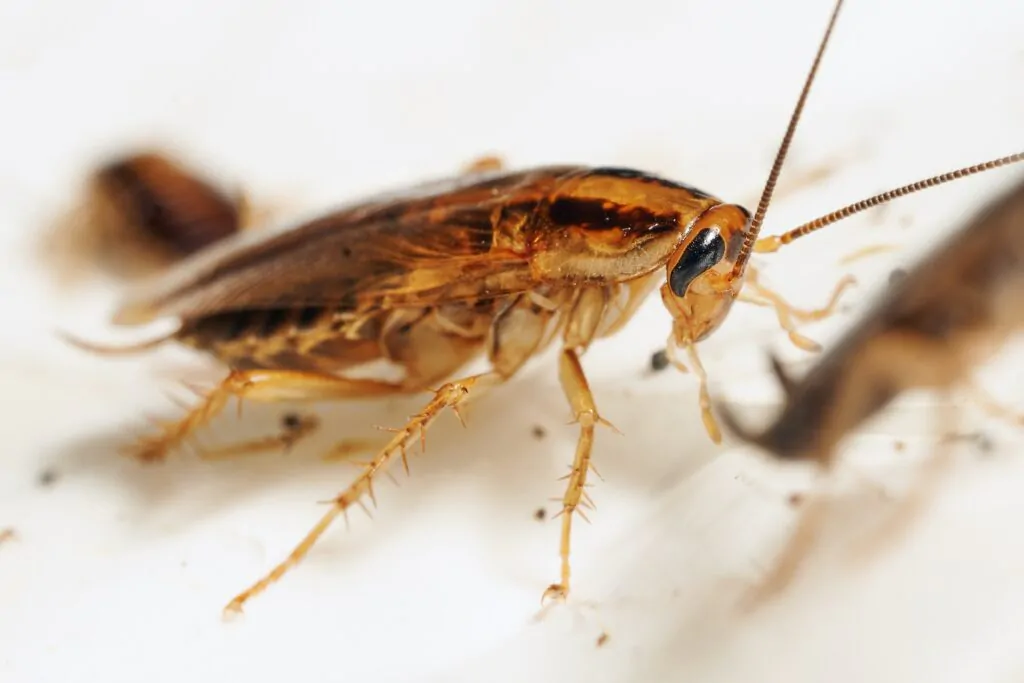
- Cockroaches: food, water, shelter and hidden harbourage are important areas to address.
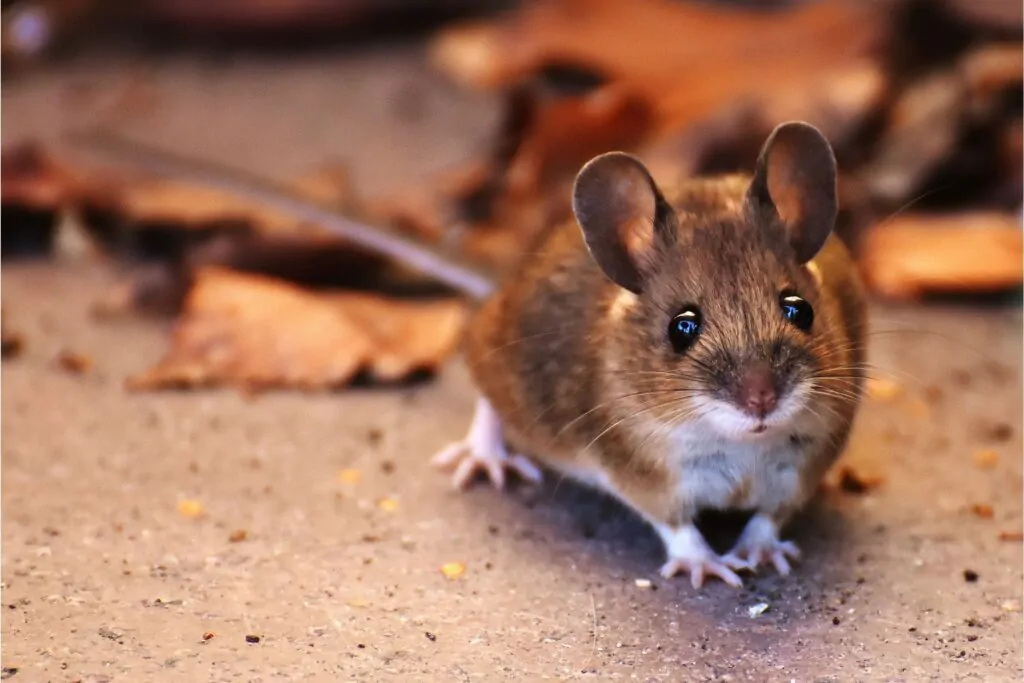
- Rats and mice: food security, clutter reduction and exclusion are important parts of long-term control.
- Spiders: web removal, reducing insects and blocking suitable entry points can reduce recurring activity.
- Wasps: monitoring repeated flight activity can help identify a developing nest before people accidentally disturb it.
Prevention does not mean a property will never experience pests. Melbourne homes are part of an environment where insects, spiders and rodents naturally occur around buildings.
The aim is to make your home less suitable for pests and recognise activity early.
How Often Should You Do a Home Pest Check?
There is no need to perform a complete inspection every day.
A simple habit is to keep an eye on kitchens, laundries, garages and outdoor areas during normal cleaning and maintenance.
A more deliberate check can be useful when:
- the seasons change
- you have recently noticed pest activity
- food or pet supplies have been moved into storage
- building or garden work has been completed
- you return to an area that has been undisturbed for some time
Inside the Home
Check kitchens, bathrooms, laundries, cupboards, doors, windows and storage areas.
Garage and Shed
Look for droppings, webs, damaged packaging, clutter and gaps around the structure.
Outside Perimeter
Inspect rubbish areas, vegetation, stored materials and accessible openings around the building.
Act on Fresh Evidence
If the same pest signs continue returning, investigate the source rather than repeatedly cleaning them away.
When Should You Consider Professional Pest Control?
DIY prevention is worthwhile, but it has limits.
Professional help may be appropriate when:
- the pest problem keeps returning
- activity has spread through several parts of the home
- you cannot locate the source
- rats or mice are active inside walls or ceilings
- cockroaches are breeding indoors
- wasps have established a nest around a frequently used area
- spider activity remains widespread despite prevention
- you are unsure which pest you are dealing with
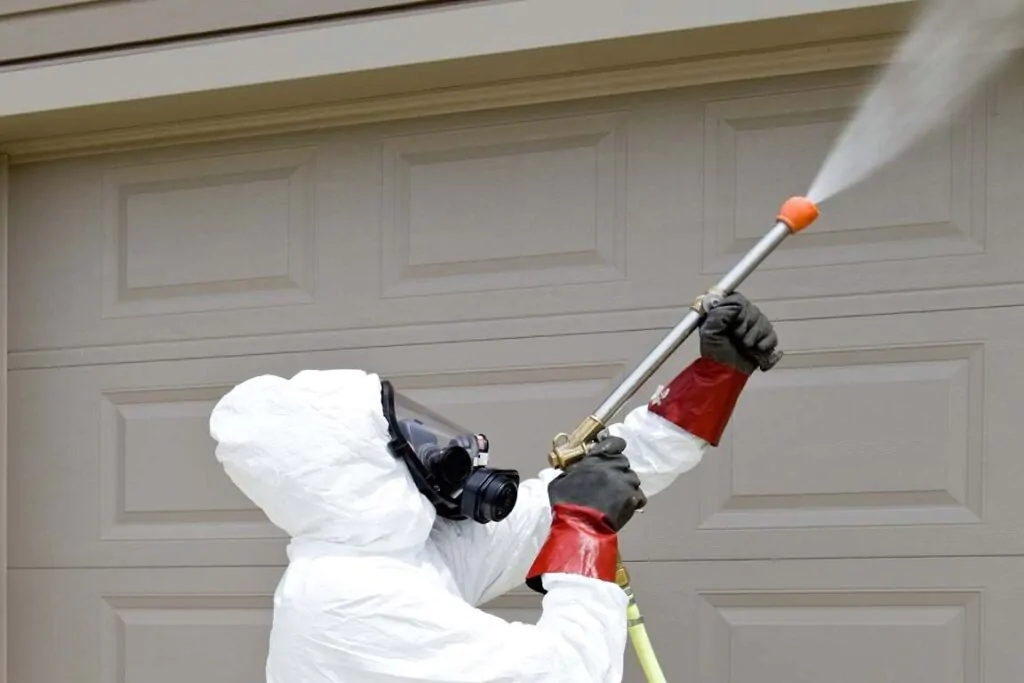
Correct pest identification matters because different pests require different treatment strategies. A professional service can assess the property before deciding what treatment, if any, is appropriate.
Using a DIY pesticide? Always follow the Australian product label, including where the product can be used, application directions, safety precautions, storage and disposal instructions. More product does not mean better pest control.
Frequently Asked Questions
What is the best way to prevent pests in my home?
Focus on removing the things pests need to survive. Keep food secured, repair water leaks, reduce clutter and maintain practical entry points around doors, windows and service penetrations. Exterior maintenance also matters. No single prevention measure will stop every pest, so combining several simple habits usually produces a better result.
Does keeping your house clean stop pests?
Cleaning can significantly reduce food and shelter available to pests, but a clean house can still experience an infestation. Rodents can enter through structural openings, spiders may move indoors from outside and ants can forage into well-maintained kitchens. Cleaning should therefore be combined with exclusion, maintenance and early monitoring.
What areas of the house should I check for pests?
Start with kitchens, pantries, laundries, bathrooms, garages and storage areas. Check beneath accessible appliances, around plumbing, behind stored materials and near doors and windows. Outside, look around rubbish bins, vegetation, sheds and the perimeter of the house for pest activity or possible entry points.
How do I know if I have a pest infestation?
The signs depend on the pest. Common clues include droppings, gnaw marks, scratching sounds, ant trails, cockroach nymphs, repeated spider webs, damaged food packaging and regular pest sightings. Repeated fresh evidence is more significant than one isolated sighting and may justify a closer inspection.
Should I get pest control even if I do not see pests?
Not every home automatically needs pesticide treatment when no pest activity is present. Good prevention and monitoring may be enough. Preventative professional treatment can be useful for some recurring pest problems or properties with a history of activity, but the best approach depends on the pest and the property.
When should I call a professional pest controller?
Consider professional help when activity keeps returning, pests are established inside difficult areas, DIY measures have failed or you cannot identify the pest or its source. A professional assessment can help determine whether treatment is needed and which areas of the property should be targeted.
Need Help With Pests Around Your Melbourne Home?
If your prevention checklist is complete but pests keep returning, Hero Pest Control can inspect the problem and recommend treatment suited to the pest and the property.
You can also find our pest control Melbourne profile on Google.