Pest control advice is everywhere, but not all of it is accurate. Some homeowners assume pests only appear in dirty houses, that seeing one insect always means a major infestation, or that using more pesticide will produce better results.
In reality, effective pest control depends on identifying the pest, understanding why it is present and selecting the right response. Sometimes simple cleaning or exclusion is enough. Other situations require targeted professional pest control in Melbourne. Below, we separate some of the most common pest-control myths from what homeowners actually need to know.
Common Pest Control Myths Melbourne Homeowners Should Know
There is rarely one pest-control rule that applies to every house and every pest.
Ants behave differently from cockroaches. Rats require a completely different approach from spiders. A single outdoor cockroach entering through a door means something very different from German cockroach nymphs appearing around kitchen appliances.
The most important principle: Good pest control starts with identifying the pest and understanding where it is coming from. Treatment should follow the evidence rather than assumptions.
Myth 1: You Only Need Pest Control When You Can See Pests
This is only partly true.
You do not automatically need professional treatment simply because pests could theoretically be present. However, many common household pests spend much of their time hidden.
For example:
- cockroaches may shelter behind appliances and inside cupboards
- rats and mice may move through roof or wall areas
- ants may nest well away from the workers you see indoors
- spiders can establish themselves in garages, sheds, eaves and other sheltered areas
This means the absence of obvious daytime sightings does not always prove there is no pest activity.
Look for indirect signs such as droppings, gnaw marks, scratching noises, ant trails, egg cases, spider webs or repeated activity in the same location.
At the same time, homeowners do not need to assume that every house requires constant pesticide application when there is no evidence or history of a problem.
Myth 2: Pests Only Infest Dirty Homes
This is false.
Cleaning is an important part of pest prevention because it removes food and some potential harbourage, but even a very clean home can experience pests.
Rodents may enter through structural gaps. Ants can forage indoors from nests outside. Spiders may follow insects or wander through open doors. Cockroaches can sometimes be introduced in boxes, appliances or other belongings.
A clean home may therefore be less attractive to some pests without being completely protected from them.
Good prevention combines cleanliness with:
- food storage
- moisture control
- rubbish management
- reducing clutter
- maintaining doors and flyscreens
- addressing suitable pest entry points
Myth 3: Seeing One Pest Means You Have a Major Infestation
Not necessarily.
One sighting needs context.
A large outdoor-associated cockroach near an open door could be an isolated visitor. One ant searching across a benchtop does not automatically mean the kitchen is infested.
On the other hand, repeated sightings, immature pests, droppings or activity in several locations can provide stronger evidence of an established problem.
Look for patterns: One sighting is information. Repeated sightings plus other evidence are much more useful when deciding whether an infestation is present.
This is especially important with pests such as cockroaches. If you are unsure what a single sighting means, our guide on whether you should worry about seeing one cockroach explains what signs to look for next.
Myth 4: DIY Pest Control Never Works
This is also false.
DIY pest control can work for some minor problems when the pest is correctly identified and the treatment is suitable.
Simple measures such as:
- removing food sources
- repairing flyscreens
- using appropriate traps
- cleaning harbourage
- sealing suitable gaps
- using an approved domestic pest-control product correctly
can make a significant difference.
The problem comes when homeowners continue treating symptoms without understanding the source.
Examples include repeatedly spraying visible ants while the colony remains active elsewhere, killing individual cockroaches while breeding continues behind appliances, or repeatedly replacing rodent bait without investigating how rodents are entering.
DIY control is most effective when you know what you are treating and why the pest is there.
Myth 5: Professional Pest Control Means Spraying the Whole House
No.
Professional pest control should be much more targeted than simply applying spray to every available surface.
The treatment depends on the pest.
For example:
- ant control may require non-repellent products or baiting strategies
- cockroach control may involve baits, targeted treatments and monitoring
- rodent control may involve bait stations, traps and exclusion recommendations
- spider treatment may focus on exterior harbourage and other areas of activity
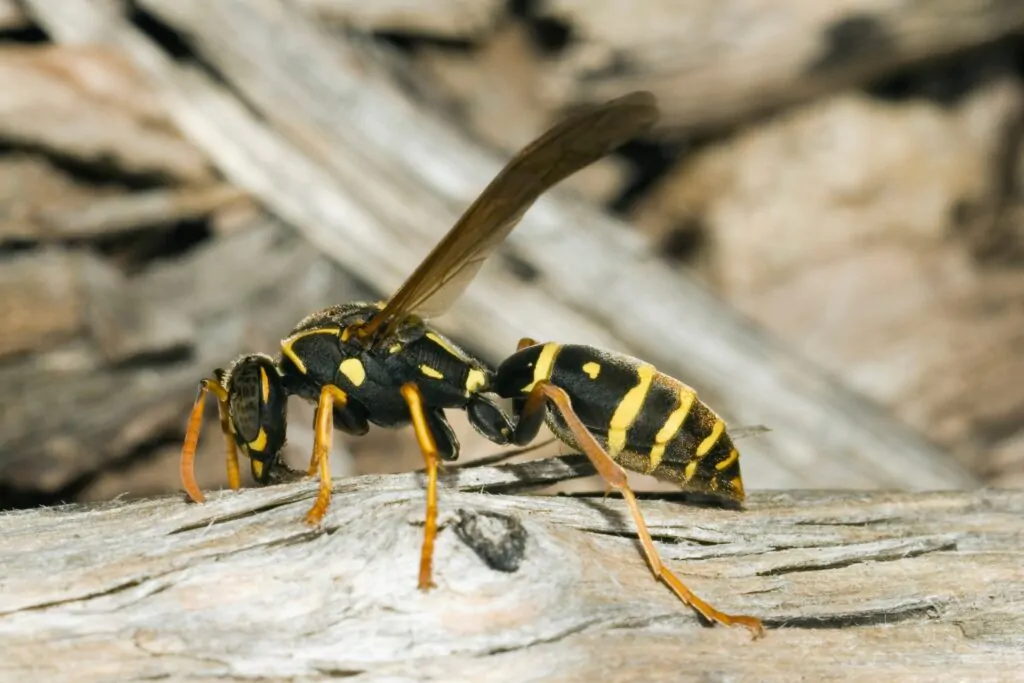
- wasp control requires locating and treating the actual nest
This is why identifying the pest before treatment is so important.
A good pest-control service should choose the treatment based on the problem rather than treating every pest in the same way.
Myth 6: More Pesticide Means Better Pest Control
Definitely not.
Pesticides have approved directions explaining where, how and at what rate they should be used.
Using more than the label directs does not automatically improve control and can create unnecessary risks.
Important: Household pest-control products should always be used according to their Australian label directions. Do not increase the application rate or use a product in areas that are not permitted by its label.
In some situations, overusing one treatment can even interfere with the overall control strategy.
For example, spraying repellent insecticide around cockroach bait placements may reduce the likelihood of cockroaches feeding where the bait has been placed.
The objective is not to use the largest possible amount of pesticide. It is to use the appropriate method correctly.
Myth 7: One Treatment Means Pests Can Never Return
No responsible pest-control company can guarantee that an open property will remain permanently free from every pest.
Your home remains connected to the surrounding environment.
New ants can forage onto the property. Spiders can establish new webs. Rodents can enter if access points remain available. Cockroaches can potentially be introduced again.
Professional treatment can control existing activity and provide residual protection where suitable products are used, but long-term pest management also depends on property conditions.
Homeowners can help by maintaining:
- food storage
- rubbish areas
- plumbing leaks
- vegetation
- structural gaps
- storage and clutter
Myth 8: All Pest Problems Should Be Treated the Same Way
This is one of the biggest misconceptions in pest control.
A “general spray” is not an appropriate solution for every problem.
If you have rats in the roof, you need rodent control rather than an insect spray.
If German cockroaches are established around kitchen appliances, they may require a different strategy from outdoor cockroaches.
If ants are nesting underground, repeatedly spraying the worker ants you see may not reach the colony.
If you have a wasp nest, the important issue is locating and treating the nest rather than spraying individual wasps flying around the garden.
Pest-specific treatment matters: The best treatment is determined by the pest species, where it is living and how established the problem has become.
Myth 9: Natural Means Automatically Safe and Effective
Products described as “natural” are not automatically harmless, and they are not automatically effective against an infestation.
Essential oils, strong-smelling plants and household remedies are frequently promoted online for ants, cockroaches, spiders and rodents.
Some substances may influence pest behaviour, but temporarily repelling a pest from one location does not necessarily eliminate the underlying population.
Natural substances can also cause irritation or other problems when they are misused around people, pets or surfaces.
Judge a treatment by evidence, correct use and suitability for the pest rather than whether its marketing describes it as natural or chemical.
Myth 10: Pest Control Is Only About Killing Pests
Effective pest management goes much further than killing individual pests.
A better approach asks:
- How are pests entering?
- What are they feeding on?
- Where are they hiding or nesting?
- Is moisture contributing to the problem?
- Can access points be addressed?
- Is there a recurring environmental condition supporting them?
Sometimes the most valuable recommendation is not another pesticide application. It may be fixing a leak, removing clutter, improving food storage or closing an entry point after existing activity has been controlled.
Myth 11: Every Melbourne Home Needs the Same Preventative Pest Treatment
No.
Preventative pest control can be useful, particularly for homes that experience recurring seasonal problems, but treatment should still reflect the property’s pest history and surrounding conditions.
For example, a home that develops widespread spider activity every spring and summer may benefit from preventative spider treatment.
Another home may have no recurring crawling-insect problem and may simply need good maintenance and monitoring.
Our guide to spring pest control for Melbourne homes explains where preventative spraying can be useful and where pest-specific treatment is a better option.
Myth 12: Professional Pest Control Is Always Expensive
Pest-control costs vary depending on the pest, the size of the property, the severity of the infestation and the work required.
A straightforward treatment may be relatively simple. A severe infestation requiring several visits, difficult access or structural proofing may cost more.
Cost should therefore be considered alongside the scope of the service.
When comparing pest-control quotes, ask:
- What is included?
- Is an inspection involved?
- Which areas will be treated?
- Does the service include follow-up?
- Is proofing separate?
- What pest is the treatment actually designed to control?
The cheapest treatment can become poor value if it does not address the actual pest problem.
Myth 13: Anyone Can Provide Professional Pest Control
Victoria regulates professional pesticide use.
If you are hiring someone to apply pesticides professionally to control pests at your home or business, the Victorian Department of Health advises checking that the pest-control operator holds the appropriate licence.
The licence system helps ensure operators have completed relevant qualifications for the pesticide work they are authorised to perform.
This is different from a homeowner using an approved domestic pest-control product themselves according to its label.
When Should You Call a Professional Pest Controller?
You do not need to call a pest-control company every time you see one insect.
Professional assessment becomes more useful when:
- pests repeatedly return
- you are seeing signs of breeding
- activity has spread through several areas
- rats or mice are active inside the roof or walls
- the source of the infestation cannot be located
- DIY treatments have repeatedly failed
- you are unsure which pest is present
- the treatment area is difficult to reach safely
A professional pest control company in Melbourne can inspect the activity, identify the likely pest and recommend treatment suited to the problem rather than relying on trial and error.
Identify
Work out which pest is causing the problem.
Inspect
Look for harbourage, food, moisture, travel routes and entry points.
Treat
Select an appropriate pest-specific treatment where one is needed.
Prevent
Address conditions that may allow the infestation to return.
Monitor
Watch for fresh evidence rather than assuming the problem has disappeared immediately.
Frequently Asked Questions
Does a clean house still need pest control?
A clean house can still experience pests. Cleaning reduces food, clutter and other conditions that support infestations, but pests may enter through structural gaps, arrive from outdoors or occasionally be introduced with belongings. Whether professional treatment is needed depends on the pest activity and history of the property rather than cleanliness alone.
Is DIY pest control dangerous?
DIY pest control is not automatically dangerous when approved household products are used correctly. Problems can arise when products are overapplied, mixed incorrectly or used somewhere the label does not permit. Always follow the Australian label directions. Professional assistance is worth considering when the infestation is established or you are unsure how it should be treated.
Do you need regular pest control if you cannot see pests?
Not every home needs routine pesticide treatment in the absence of pest activity. Preventative treatment can be useful for properties with recurring problems, particularly seasonal spider or crawling-insect activity. Other homes may be well managed through sanitation, exclusion and monitoring until evidence of a pest problem develops.
Can one pest treatment permanently solve the problem?
Sometimes one treatment may control the existing activity, but no treatment can guarantee that pests will never return to an open property. New pests may arrive from outdoors or through unresolved entry points. Long-term control often depends on combining treatment with maintenance, food management, exclusion and monitoring.
Are natural pest-control remedies better than pesticides?
Not necessarily. Natural and synthetic products both need to be assessed for effectiveness and safe use. Some household remedies may temporarily repel pests without eliminating the population. An appropriate treatment should be selected according to the pest and the situation rather than simply whether a product is described as natural.
How do I choose a pest controller in Victoria?
Start by checking that the person applying professional pesticides holds the appropriate Victorian pest-control licence. Ask what pest they believe is present, what the proposed treatment involves and what is included in the service. A good pest-control plan should be based on the specific infestation rather than automatically applying the same treatment everywhere.
Not Sure What Your Pest Problem Needs?
If pests keep appearing around your Melbourne home and you are unsure whether prevention, treatment or a more targeted service is required, Hero Pest Control can assess the problem and recommend an appropriate approach.
You can also find our pest control Melbourne profile on Google.