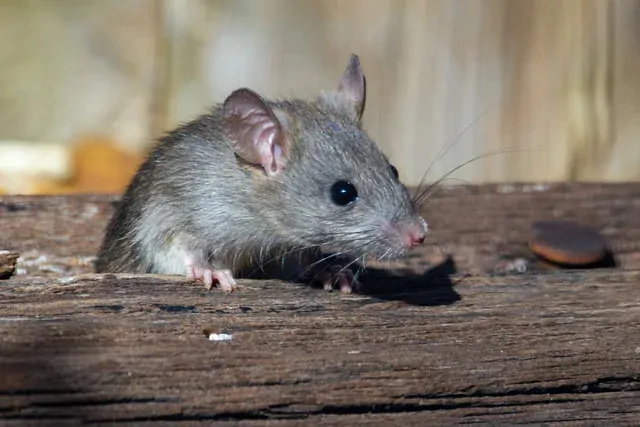
Finding a mouse inside your home usually means it is worth checking for more activity. House mice are small, mostly active at night and capable of moving through gaps as narrow as approximately 8 mm, so they can remain hidden inside walls, cupboards, garages and roof areas without being seen regularly.
Getting rid of mice effectively means dealing with the mice already inside while also removing food, shelter and access points. If you are finding repeated droppings, hearing movement at night or seeing mice indoors, professional mice control Melbourne can help identify where they are travelling and how they are getting into the property.
Our broader guide to rat and mouse pest control tips for Melbourne homes covers long-term rodent prevention in more detail.
In This Article
How Do You Get Rid of Mice in Your Home?
A useful mouse-control plan usually involves several steps:- confirming where mice are active
- removing accessible food and water
- using suitable trapping or rodent-control methods where appropriate
- identifying entry points
- proofing the property once activity has been assessed
- monitoring for fresh signs
Key takeaway: Removing one mouse does not necessarily solve the problem. Long-term control depends on finding out how mice are entering and whether additional activity remains elsewhere in the property.
Start by Confirming Where the Mice Are Active
Mice usually leave evidence behind even when you rarely see them. Look for:- small droppings
- scratching or scurrying noises at night
- gnawed food packaging
- damage to cardboard or stored items
- nesting material
- greasy marks along regular travel routes
- actual mouse sightings
Find the Gaps Mice Are Using to Enter
House mice can squeeze through gaps as small as approximately 8 mm. This makes small openings around a building much more important than they may appear. Inspect accessible areas around:- external doors
- pipes entering walls
- utility penetrations
- garage doors
- vents
- building joins
- damaged screens
- roof and wall gaps
Important: If mice are currently living inside the building, do not blindly seal every suspected opening before understanding where the animals are located. Proofing should be planned so mice are not trapped inside inaccessible wall or roof areas.
Remove Food Sources
Mice can survive on relatively small amounts of food. Removing easy feeding opportunities can make control more effective and reduce the chance of recurring activity. Useful measures include:- keeping cereals, flour and other dry foods in sealed containers
- storing pet food securely
- cleaning crumbs and spills
- keeping rubbish bins closed
- checking pantry packaging for gnaw marks
- removing food waste from garages and storage areas
Can Mouse Traps Help?
Yes. Physical trapping can be useful for individual mice or in situations where chemical bait is not appropriate. The Victorian Department of Health lists snap traps and multiple-mouse catching devices among recognised physical control options. Trap placement matters. Mice often travel close to walls and protected edges rather than crossing large open areas, so traps are generally more useful where mouse activity has actually been observed. Continue monitoring after catching a mouse. Catching one animal does not prove that no others remain.What About Homemade Bucket Traps?
DIY traps that can cause prolonged distress, drowning or unnecessary suffering are not a good approach. Use lawful trapping methods designed for rodent control and follow the manufacturer’s directions. Animal trapping is regulated in Victoria, so the type of trap and how it is used matter.Are Glue Traps Legal for Mice in Victoria?
No. The sale and use of glue traps for trapping animals is prohibited in Victoria, including their use for rodent control by commercial pest controllers.
Victorian rule: Do not use glue boards or adhesive traps to catch mice. Victoria prohibits glue traps for animals under its animal welfare requirements.
This is an important change to be aware of because glue traps are still promoted or sold for rodents in some overseas markets and may appear in online pest-control advice.
What Should You Know About Mouse Bait?
Rodenticides can be effective against mice, but they are pesticides and need to be handled carefully. Always use an APVMA-approved product and follow the exact label directions. Rodent baits can harm children, pets and wildlife if they are incorrectly placed or handled. Victorian guidance recommends:- keeping bait inaccessible to children, pets, wildlife and livestock
- using appropriate secured bait stations where required
- placing bait where it can later be retrieved
- checking bait stations regularly
- removing unused bait when treatment is complete
- keeping bait away from food and food-handling areas
Rodenticide Rules Changed in Australia in 2026
Additional restrictions applying to certain second-generation anticoagulant rodenticides took effect from 24 March 2026. For affected domestic products, requirements can include using bait only inside buildings, placing it in tamper-resistant bait stations and limiting how long an infestation is treated before further advice is sought.
Always check the current product label. Rodenticide requirements depend on the active ingredient and registered product. Instructions printed on an old packet or copied from an overseas website may no longer reflect current Australian requirements.
Do Peppermint Oil and Other Natural Mouse Repellents Work?
Peppermint oil, cloves and other strong-smelling household substances are commonly promoted online as mouse repellents. They should not be relied upon to eliminate an established mouse infestation. Even if a smell temporarily discourages movement through one location, mice can use another route when food and shelter remain available. The more dependable strategy is to remove food sources, control existing mice and proof the building against reinfestation. Similarly, substances such as ammonia should not be placed around the home as an improvised mouse treatment. Household chemicals can create unnecessary risks without addressing the source of the infestation.How Do You Stop Mice From Coming Back?
Once existing activity has been controlled, proofing and environmental management become particularly important.Seal Suitable Entry Points
Close gaps around pipes, doors, walls and other building penetrations using materials appropriate for the location and resistant to rodent damage.Secure Food
Keep pantry goods, pet food and other attractive foods inaccessible.Reduce Clutter
Remove unnecessary cardboard and stored materials that provide sheltered nesting areas.Manage the Exterior
Keep rubbish contained and inspect vegetation, storage and other harbourage around the building.Keep Monitoring
Check previous activity areas for new droppings, gnawing or noises rather than assuming the problem is over immediately.How Do You Know When the Mice Are Gone?
Do not rely on a single quiet night to decide the problem has ended. Instead, monitor for fresh evidence such as:- new droppings
- continued scratching noises
- freshly damaged food packaging
- new gnaw marks
- mouse sightings
- continued bait consumption or trap activity where those methods are being used
When Should You Consider Professional Mice Control?
Professional help becomes more useful when:- droppings continue returning
- you hear persistent activity inside walls or ceilings
- several rooms show evidence
- food packaging continues being damaged
- you cannot determine how mice are entering
- trapping has not controlled the activity
- bait placement is difficult because of children or pets
- the infestation appears established